November 11, 2026
Safe and Responsible Tree Removal for Your Property
By @myjaspertreeremovalcentral
When a large tree on your property becomes a concern, the decision to remove it is rarely easy. Trees provide shade, beauty, and environmental benefits for years, but they can also pose serious risks as they age or suffer damage. Understanding the process of residential tree removal helps you make informed choices about the safety of your home and landscape.
Homeowners typically face this decision after a storm, when a tree shows signs of disease or structural weakness, or during construction or landscaping projects. The goal is to remove the tree safely while minimizing impact on the surrounding yard, structures, and other plants. This requires careful planning, the right equipment, and knowledge of tree biology and local conditions. Jasper Tree Removal residential tree removal
When Removal Becomes Necessary
Not every problematic tree needs to come down. Sometimes pruning, cabling, or other treatments can address the issue. However, certain situations clearly call for removal. A tree with a large crack in the trunk, significant decay at the base, or roots that are lifting the foundation of a house is a safety hazard. Dead trees, especially those near structures or frequently traveled areas, can drop limbs without warning. Trees that lean heavily after a storm or have lost a large portion of their canopy may also be unstable.
Another common reason is when a tree outgrows its space. Roots can damage driveways, sidewalks, and underground pipes. Branches may rub against the roof or siding, causing wear over time. In these cases, removal is a practical solution to prevent costly repairs.
The Residential Tree Removal Process
Professional tree removal follows a methodical approach. The crew first assesses the tree and the surrounding area. They look for obstacles like power lines, buildings, fences, and gardens that could be damaged. They also evaluate the tree's lean, the condition of its wood, and the direction of prevailing winds. This assessment determines the felling direction or the need for a controlled dismantling.
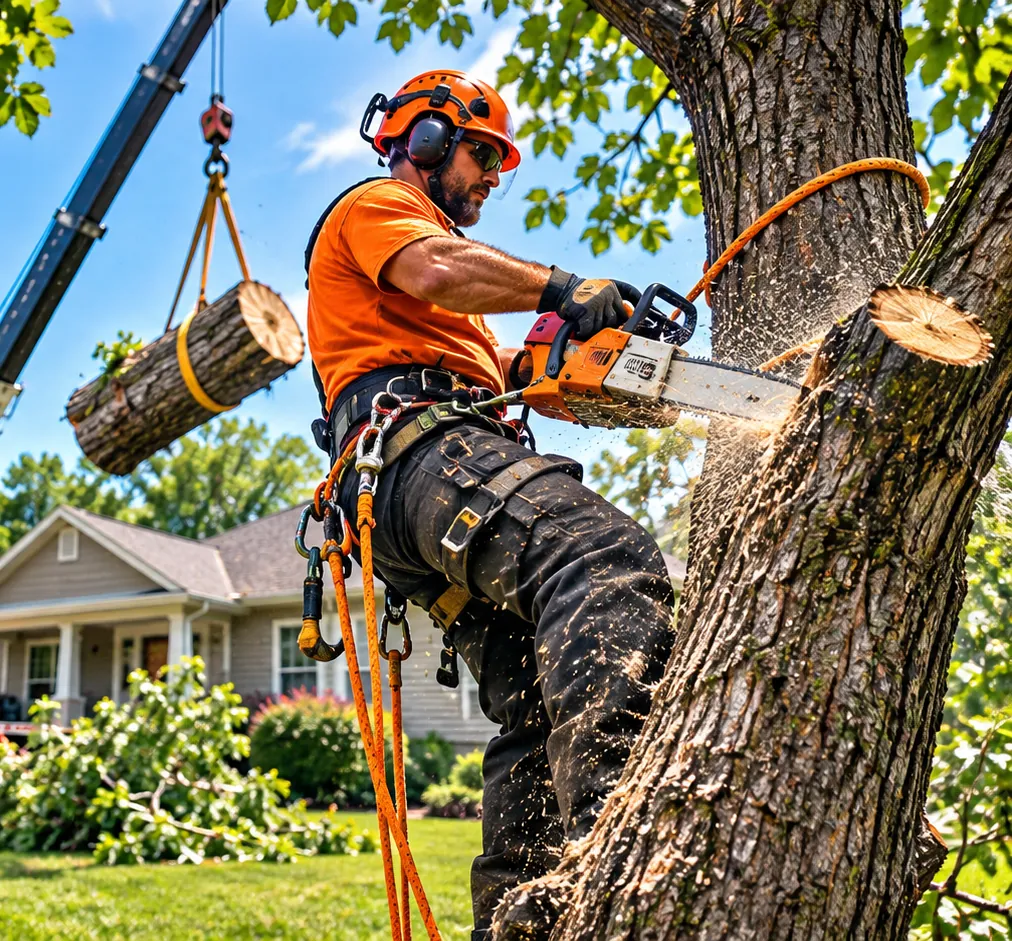
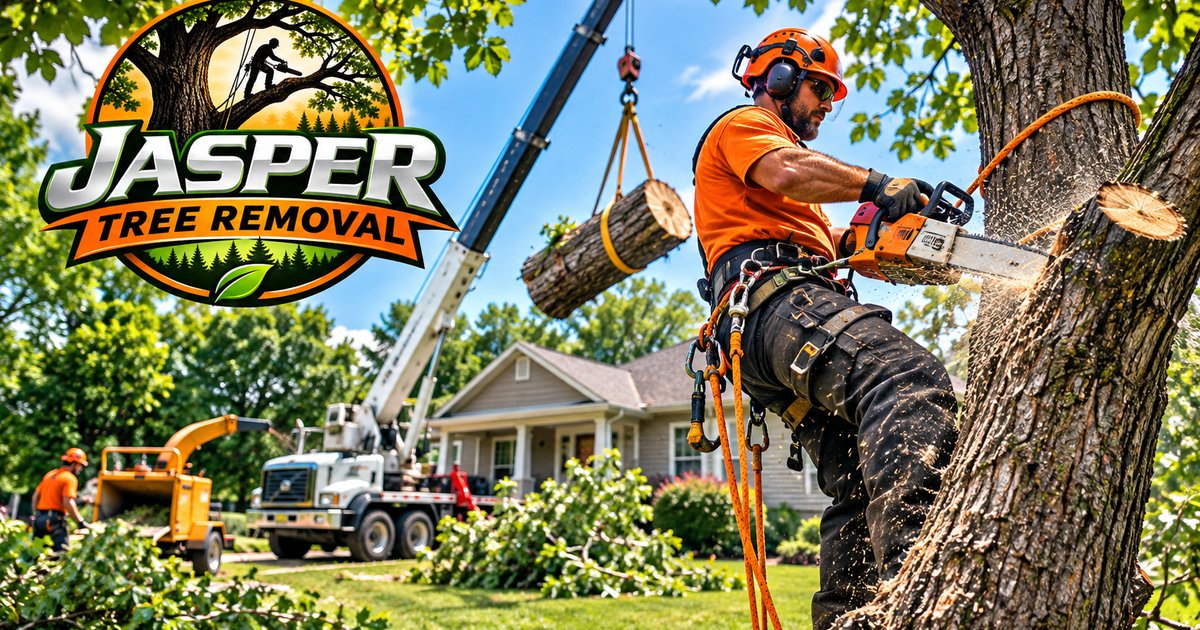
For most residential jobs, the tree is taken down in sections. This technique, called rigging, involves climbing the tree, cutting it into manageable pieces, and lowering each piece to the ground with ropes. This prevents damage to the property below. The climber works from the top down, removing branches and trunk sections one at a time. This is safer and more precise than felling the whole tree at once, especially in tight spaces.
Once all the wood is on the ground, the crew cuts it into firewood lengths or hauls it away. Stump grinding is often a separate step, but it is frequently included in a full removal service. The stump is ground down below grade, and the area can then be filled with topsoil and seeded.
Safety Considerations
Tree removal is inherently dangerous work. Professional crews use climbing saddles, ropes, carabiners, and chainsaws with specialized safety features. They also wear hard hats, eye protection, and hearing protection. The use of rigging techniques keeps the crew and the property safe. Homeowners should never attempt to remove a large tree themselves, especially near power lines or structures. The risk of injury or property damage is too high.
Insurance is another critical factor. A reputable tree service carries liability insurance and workers' compensation. Before hiring, verify that the company is insured for the type of work being done. This protects you if something goes wrong during the job.
Environmental and Legal Aspects
Before removing a tree, check with local authorities. Many municipalities require a permit for tree removal, especially for certain species or trees of a certain size. There may also be restrictions during nesting season for protected birds. Failure to obtain the necessary permits can result in fines or legal action.
Consider the environmental impact as well. Mature trees provide habitat for birds and insects, improve air quality, and reduce stormwater runoff. If you must remove a tree, consider planting a replacement elsewhere on your property. Choose a species that is well-suited to the site and will not cause future conflicts with structures.
Choosing a Tree Service
Selecting the right company for your tree removal project involves more than just comparing prices. Look for a company with certified arborists on staff. Certification from the International Society of Arboriculture (ISA) indicates a high level of knowledge and professionalism. Ask for references and check online reviews. A good company will provide a detailed written estimate and explain the process, including cleanup and disposal.
One important detail to confirm is whether the company will remove all debris. Some services leave the wood for the homeowner to use, while others haul everything away. Clarify this before the work begins. Also, ask about stump grinding. If you want the stump removed, make sure it is included in the estimate.
For homeowners in Jasper and Pickens County, Georgia, the process of residential tree removal is handled by experienced local crews who understand the area's soil conditions, common tree species, and typical storm damage patterns. A company like Jasper Tree Removal residential tree removal service is designed to address these local needs, ensuring safe and efficient work on your property.
After the Tree Is Gone
Once the tree is removed, the site will look different. The extra sunlight may affect the growth of nearby plants. You may notice changes in the moisture level of the soil. Plan to fill the empty space with new landscaping. Grass seed, shrubs, or a small ornamental tree can restore the area's appearance. If the stump was ground down, wait a few months before planting in that spot, as the sawdust can temporarily tie up nitrogen in the soil.
Removing a tree is a significant event for a property. It changes the character of the landscape and removes a living thing that may have been there for decades. Taking the time to do it right, with professional help, protects your investment and your safety.
Whether you are dealing with storm damage, disease, or simply making room for a new project, understanding what goes into Jasper Tree Removal residential tree removal helps you approach the job with confidence. The key is to work with qualified professionals who prioritize safety and respect for your property.
Jasper Tree Removal on social media
 Twitter
 Instagram
 YouTube
❧